Inner Side|PILLINGS 01

Photography by Kota Ishida

Inner Side|PILLINGS 01

母の手編みから世界へ。「PILLINGS」が編む時代とユーモア

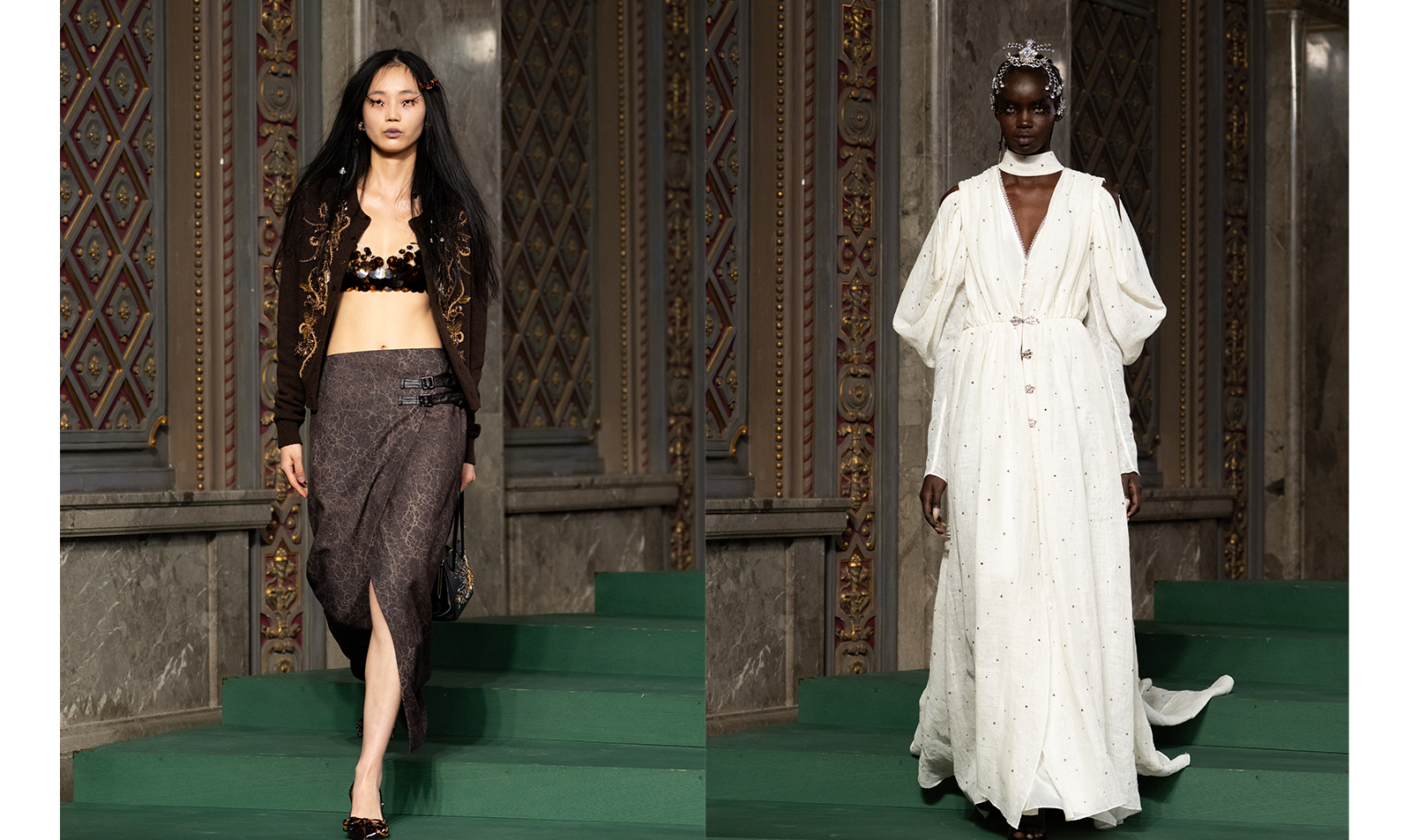
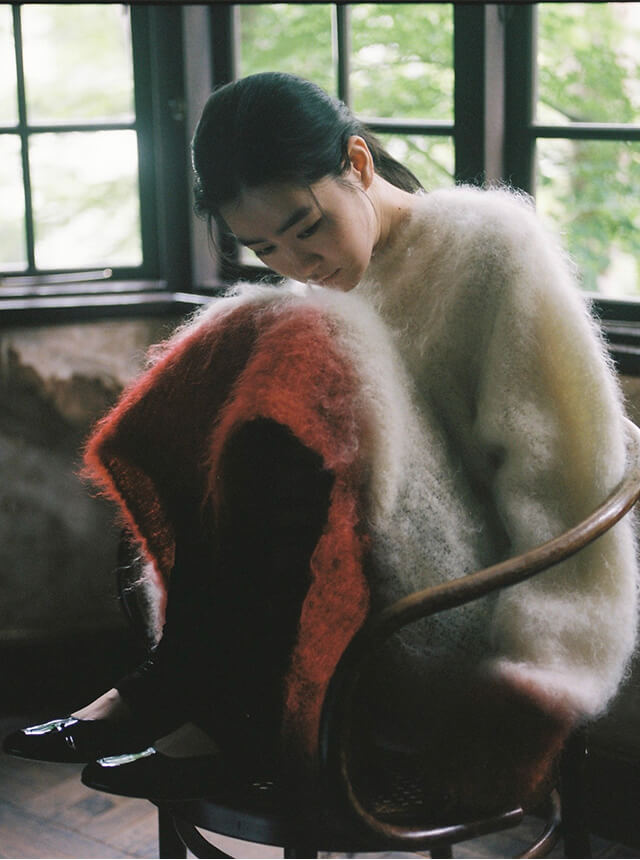
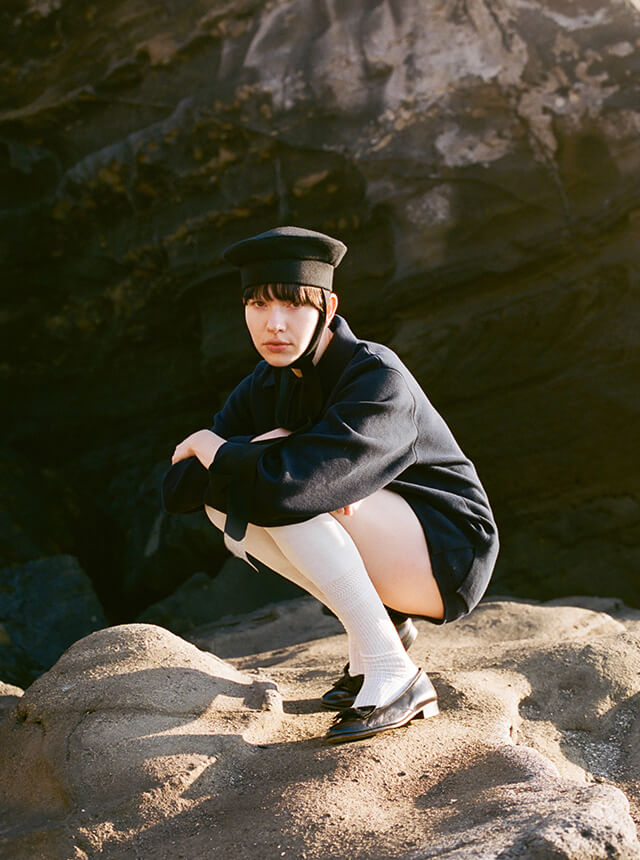
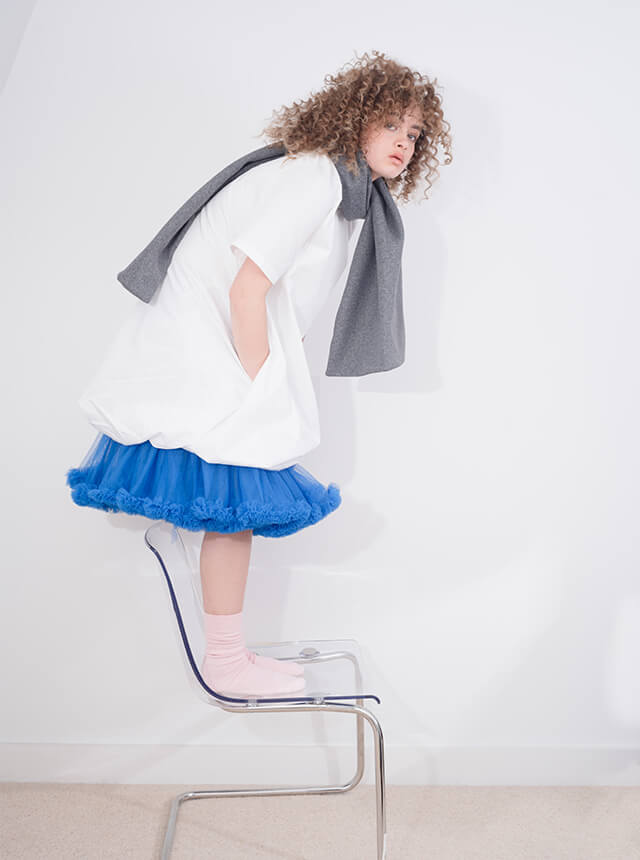
2020年、「RYOTAMURAKAMI」から改名し誕生した、日本を拠点とするファッションブランド「PILLINGS」。
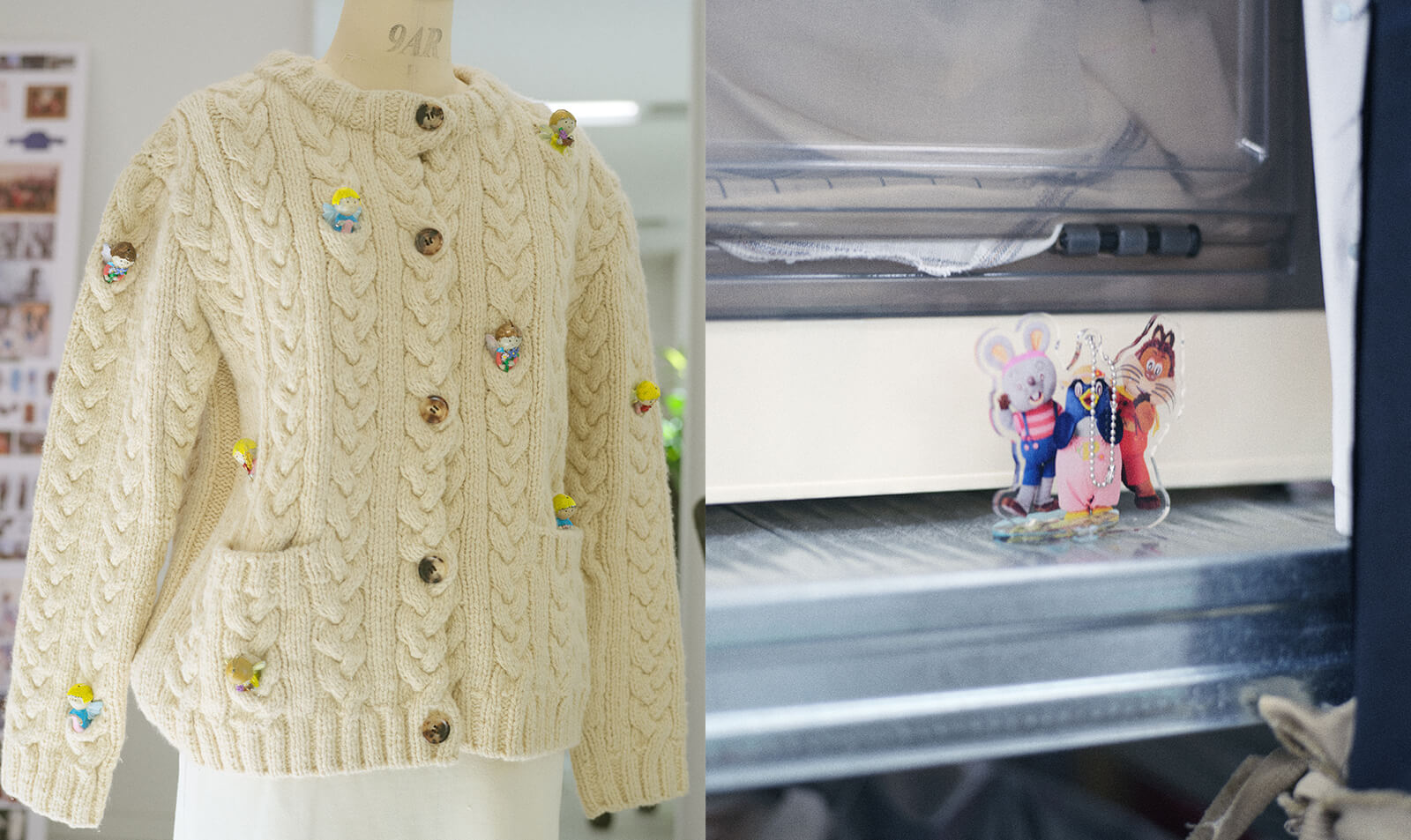
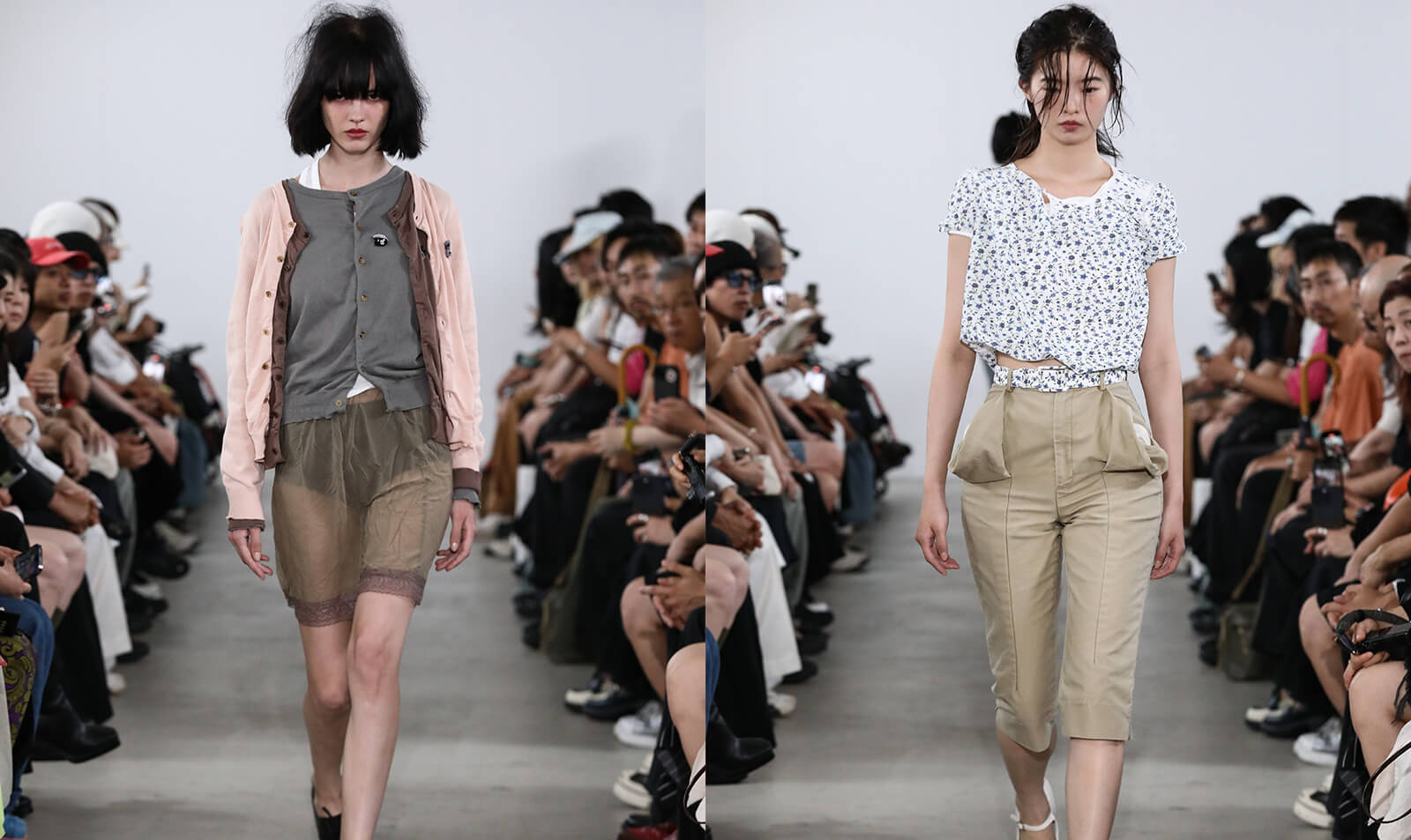
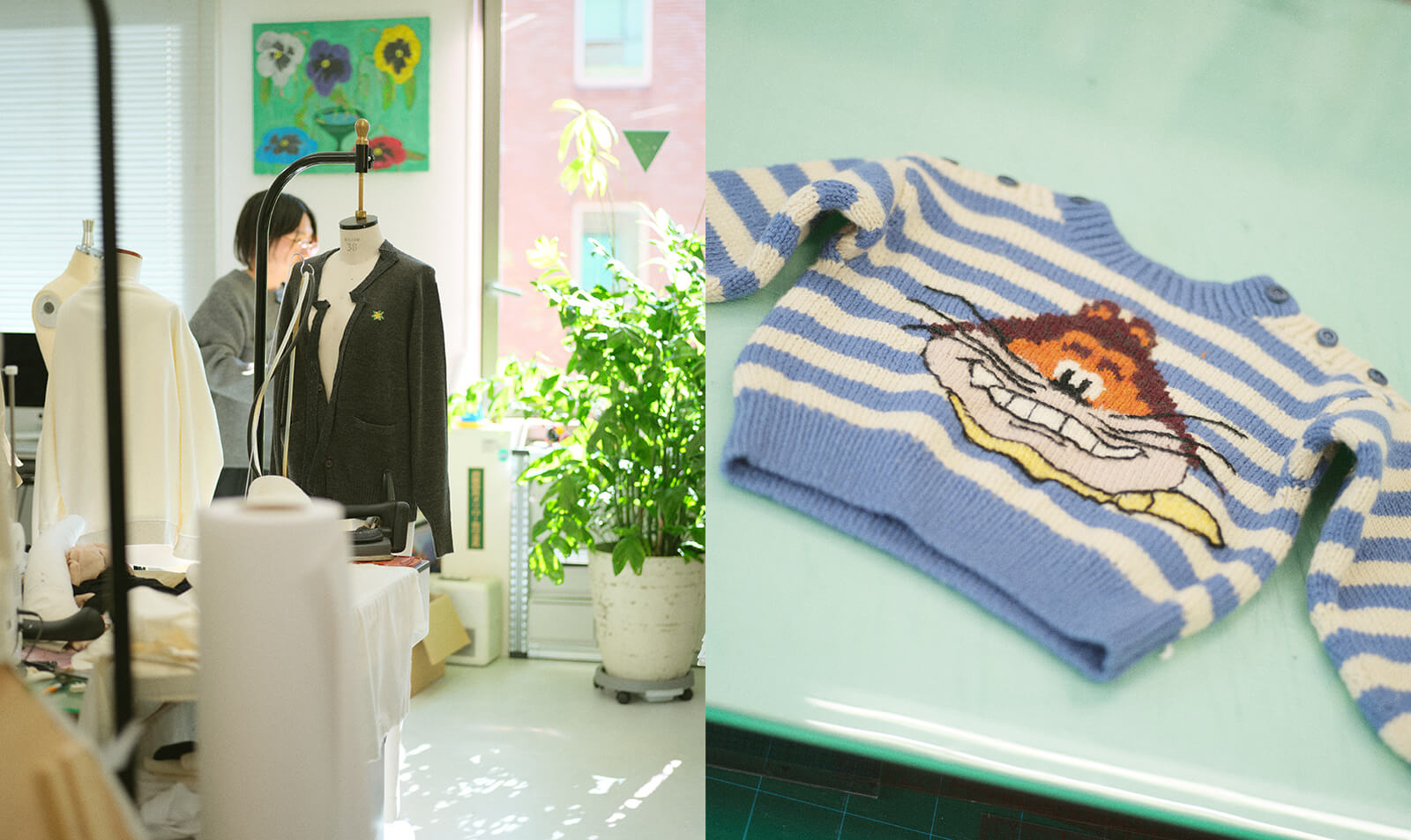
「ものづくりの愛おしさとその背景を、創造性をもって表現すること」をコンセプトに、日本の手編み職人と共にハンドニットを軸としたコレクションを展開している。

今回Lula Japan Webでは、「PILLINGS」のこれまでや今後の展望をインタビュー。


“PILLINGS” is a Japan-based fashion brand relaunched in 2020 following its renaming from “RYOTAMURAKAMI”.
With the concept of expressing an affection for craftsmanship and its background through creativity, the brand develops collections centered on hand-knit pieces in collaboration with Japanese hand-knitting artisans.

Lula Japan Web interviewed “PILLINGS” about its past and future outlook.


>02はこちらから

PILLINGS

-ファッションに興味を持ったきっかけを教えてください。

多くの人が「人と違う格好がしたい」という動機でファッションに向かうと思うのですが、自分の場合はその逆で、まずは「みんなと一緒」が入り口でした。

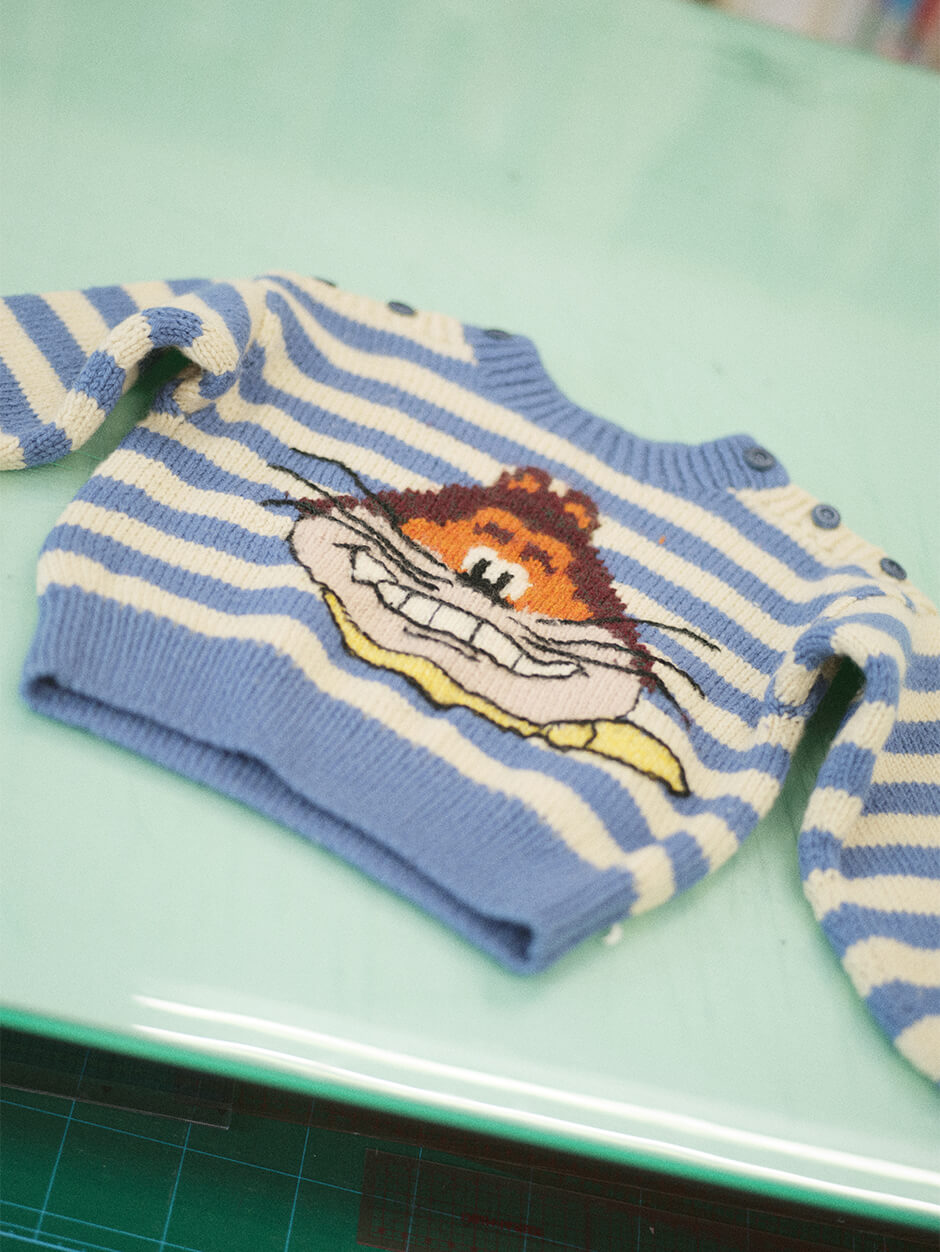
ファッションを好きになる前、母が小学生の頃に作ってくれた服を着ていて、それを学校でからかわれた経験があったんです。
そこから「人と同じ服を着たい」という気持ちが芽生えたのが、自分にとってのファッションの出発点だったと思います。
当時は母のセーターなどもよく着ていましたが、周囲に合わせてみんなの真似をするようになると、少しずつ褒められるようになって。
そこからだんだん自信がつき、ファッションそのものが楽しくなって、人とは違うスタイルをするようになりました。

そんな経験もあって、服そのものに興味を持ち始めた学生の頃、地元の兵庫県・加古川市にアメリカ古着を扱う古着屋ができたことが大きな転機になりました。
その店にはよく通っていて、店員さんから洋服のことを教えてもらうようになったんです。
当時は今ほど情報を得る手段が多くなかったので、誰かに教えてもらわないと知れないことがほとんどでした。
 
その後、初めて見に行ったデザイナーズブランドが「COMME DES GARÇONS」でした。
思い切って実際に足を運んでみると、「これを人が着るんですか?」と思うほど衝撃的で、圧倒されました。
 
そこからさらに洋服への興味が深まり、大阪の「MAISON MARGIELA」にも通うようになりました。
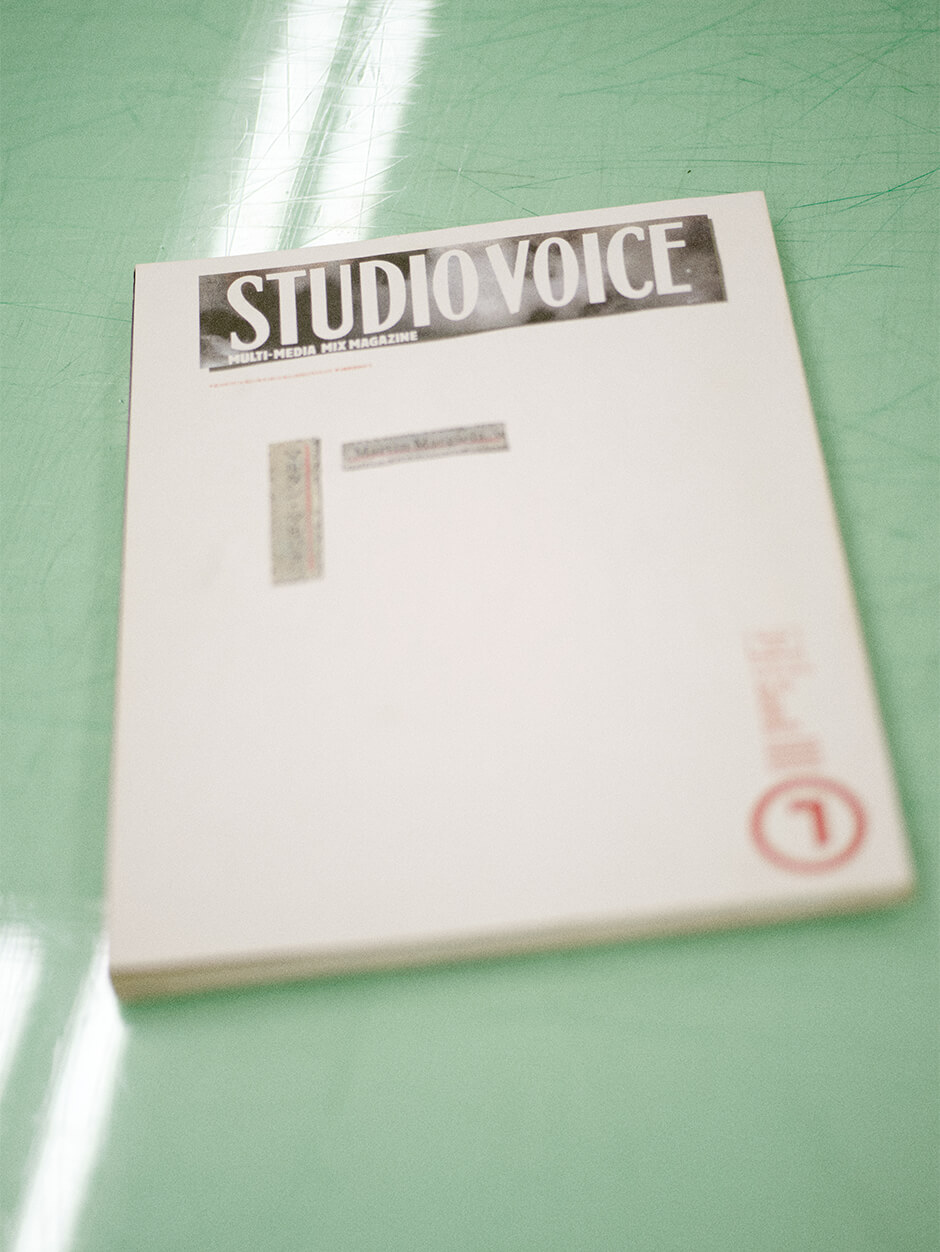
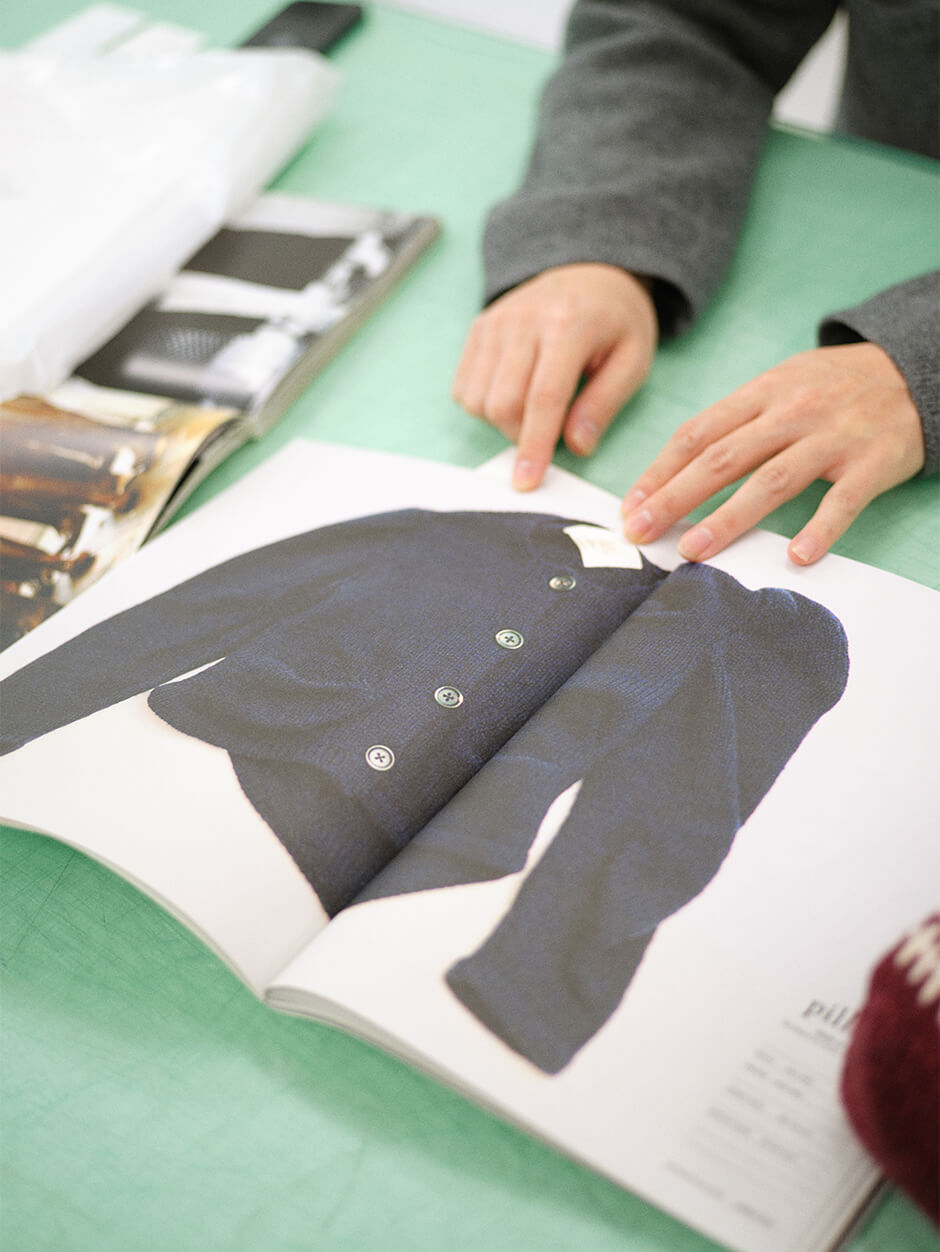
そこの店員さんも洋服についてとても丁寧に教えてくれる人で、カルチャー誌のSTUDIO VOICEを見せてもらいながら、ブランドの歴史や背景について教わったことを覚えています。
 
それまでは、洋服は格好よくなるためや、人気者になるためのツールだと思っていましたが、ファッションがその時代の空気や価値観を映し出す、1つの表現媒体なのだと気づいたんです。
 
-How did you to become interested in fashion?

I think many people get into fashion because they want to dress differently from others, but in my case it was the opposite.
For me, the starting point was ranting to be ‘the same as everyone else’.

Before I came to like fashion, I wore clothes that my mother made for me when I was in elementary school, and I was teased for them at school.
I think that experience sparked the desire to wear the same clothes as everyone else began to grow, and I think that was my starting point in fashion.
At the time, I often wore my mother’s sweaters as well, but when I started imitating the people around me and dressing the same way as them, I gradually began to be complimented.
From there, I slowly gained confidence, fashion itself became enjoyable, and I started to develop styles that were different from others.

After those experiences, when I was a student and began to take an interest in clothing itself, a major turning point was the opening of a vintage clothing store in my hometown of Kakogawa, Hyogo Prefecture, that carried American vintage clothing.
I went there often, and the shop staff began teaching me about clothes.
At the time, there were not as many ways to obtain information as there are now, so most of it was knowledge I wouldn’t have gained without someone teaching me.

After that, the first designer brand I went to see was “COMME DES GARÇONS”.
When I actually went there, I was shocked to the point of thinking, “Are people supposed to wear this?” and I felt completely overwhelmed.

From there, my interest in clothing deepened further, and I also began going to “MAISON MARGIELA” in Osaka.
The staff there also took great care in teaching me about clothes, and I remember being shown the culture magazine STUDIO VOICE while they explained the brand’s history and background.

Up until then, I had thought of clothes as a tool for looking cool or becoming popular, but that was when I realized that fashion is a form of expression that reflects the atmosphere and values of its time.


-そこからデザイナーを志すようになったきっかけを教えてください。
 
実は最初はお笑いの仕事がしたかったんです。
一番クリエイティブなものだと感じていて、放送作家になりたいと思っていました。
深夜ラジオをよく聴いていましたし、テレビ番組の「ダウンタウンのごっつええ感じ」もビデオでずっと観ていましたね。
 
ものづくりとしてお笑いに関わりたいと思っていた中で、ファッションも同じようにクリエイティブな表現の1つだと知った時、デザイナーという職業を意識するようになりました。
 
-How did you to start aiming to become a designer?

Actually, at first I wanted to work in comedy.
I felt it was the most creative field, and I wanted to become a broadcast writer.
I used to listen to late-night radio a lot, and I also watched the TV show ‘Downtown no Gottsu Ee Kanji’ on video all the time.

While I was thinking about being involved in comedy as a form of making things, I learned that fashion is also one form of creative expression, and that was when I began to think about the profession of designer.

-お笑いとファッションの仕事で共通する部分があると感じますか。
 
お笑いとファッションは、自分の中ではかなり近い表現だと感じています。
お笑いは人を笑わせるという点でとても難しくて、しかも笑いには悲しさや怒りから生まれるものもあって、すごく複雑な感情だと思うんです。
多くの場合、社会とのちょっとしたズレや、時代との距離感から笑いが生まれる。
 
ファッションもその点で同じだと思います。
僕は自分自身の立ち位置と社会との距離感をどう表現するか、という感覚の中で服を作っています。
時代が変われば、その距離感も自然と変わっていくし、完全に自由に作るよりも、時代性があるからこそ面白くなる。
 
ファッションにはファッションなりの笑いがあって、歴史を引用したり、文脈をずらして組み合わせたりすること自体が、1つのユーモアになる。
面白いことをやっていても、必ずしも気づかれるとは限らない。
その感じも含めて、お笑いとファッションはすごく似ているなと思います。
 
-Do you feel there are common elements between working in comedy and in fashion?

I feel that comedy and fashion are very close forms of expression for me.
Comedy is extremely difficult because it aims to make people laugh, and laughter can also be born from sadness or anger, so I think it involves very complex emotions.
In many cases, laughter is created from small differences with society or from a sense of distance from the times.

I think fashion is the same in that respect.
I make clothes within a sense of how to express the distance between my own position and society.
As times change, that sense of distance naturally changes as well, and rather than creating completely freely, it is because there is a sense of the times that things become interesting.

Fashion has its own kind of humor, as quoting history or shifting contexts and combining them can itself become one form of humor.
Even if you are doing something interesting, it does not necessarily mean it will be noticed.
Including that aspect, I feel comedy and fashion are very similar.

 
-ブランドの設⽴にお⺟様の存在も⼤きいと拝見しました。お母様とのやりとりで印象に残っていることはありますか。
 
ここのがっこうという学校に通って学んでいた頃、なかなか思うようにいかない時期がありました。
そんな時、幼少期に母親が作ってくれたセーターを持っていったら、主宰の山縣良和さんにすごく褒められたんです。
当時は「MAISON MARGIELA」のようなブランドを作りたいと思っていたので少し面食らいましたが、こういうものを作ってみたらどうかと提案されました。
 
ただ、⾃分でやってみようと制作を重ねても全然うまくいかなくて。
すると先生から、「母親にデザインしてもらったらいい」と言われたんです。
そこで約3年ぶりに実家に帰り、母親にデザインを書いてほしいと頼んだら、「何なんだお前は」という反応が返ってきました。
それまでめったに帰省してなかった息子に、急に変なことを頼まれたのでびっくりしたのかも。

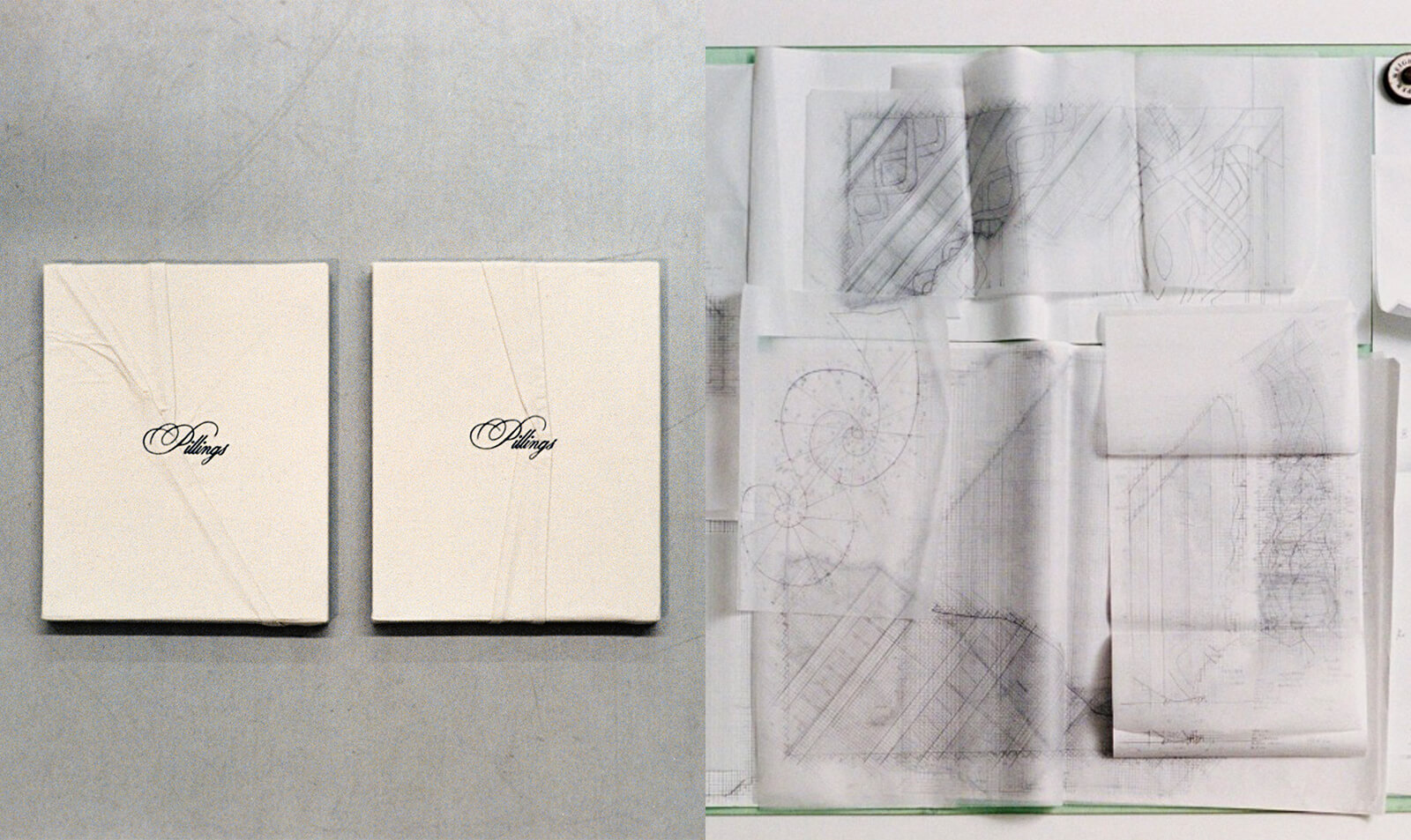
僕は1枚のデザインを描くのに丸1⽇かけて、描いては消してを繰り返していたのに、⺟親は3分くらいでさっと描いてしまって。
デザインの勉強をしたこともないのに、1日で1コレクション分くらいのデザインを描いてくれました。
しかも、僕がどれだけ「今はこんなのが流行っているらしいよ」とリファレンスを出しても全部無視して描くんです。
それがとても衝撃的で、今でも記憶に残っています。
 
-I’ve heard that your mother’s presence was also significant in the founding of your brand. Is there an exchange with your mother that left a strong impression on you?

When I was studying at a school coconogacco, there was a period when things were not going well.
At that time, I brought in a sweater that my mother had made for me when I was a child, and Yoshikazu Yamagata, the founder of the school, praised it very highly.
At the time, I wanted to create a brand like “MAISON MARGIELA”, so I was a little taken aback, but he suggested that I try making things like that.

However, even when I tried making things myself and continued producing work, nothing went well at all.
Then my teacher said, “You should have your mother design them”.
So I returned to my parents’ home for the first time in about three years and asked my mother to draw designs for me, and her response was, “What are you talking about?”

She may have been surprised that her son who rarely came home, suddenly asked her to do something strange.

It would take me a full day to draw a single design, repeatedly drawing and erasing, but my mother would quickly draw one in about three minutes.
Even though she had never studied design, she drew enough designs for about one full collection in a single day.
Moreover, no matter how many references I showed her, saying things like, “It seems this kind of thing is popular right now”, she ignored them all and kept drawing.
That was extremely shocking to me, and it is something I still remember clearly.

-その後、2014年に「RYOTAMURAKAMI」を設立されましたね。
2020年には「RYOTAMURAKAMI」から「PILLINGS」に改名されましたが、そのきっかけは何でしたか?


ちょうどその頃、神戸にあるatelier K'sKと出会ったことが大きかったです。手芸をベースに活動されている会社で、たくさんのニッターさんや、教室には本当に技術力の高い方たちが所属していました。
ですが、初めてお話しした時に、「技術はあるけれど、それを発表したりアウトプットしたりする場が少ない」とおっしゃっていて。
もっと自分たちの技術を使える場所を探していたことが印象的でした。

手芸の世界とファッションは同じ「服」を作っているのに、意外と交わらない部分が多いんですよね。
ファッション側からは距離を置かれてしまったり、手芸側もどうアプローチしていいか分からなかったり。
ずっとそれがもったいないなと感じていました。
自分自身、いわゆる「手芸」と呼ばれるものがすごく好きで、これはファッションの一部なんだと言いたかったことに気づいたんです。

そこからatelier K'sKの皆さんと一緒にものづくりをしていこうという流れが生まれて、結果的に本当にたくさんの人とチームで服を作れるようになりました。
ブランド名を改めたのは、自分の名前をそのままブランド名にしているとどうしても個人の印象が強くなってしまうから。
集団としての魅力やものづくりの姿勢を伝えたいという想いがありました。
 
-You then established “RYOTAMURAKAMI” in 2014, and in 2020 it was renamed “PILLINGS”.
What prompted that change?


Around that time, meeting atelier K’sK in Kobe was a major factor. They are a company that works based on handicrafts, and many knitters with truly high levels of technical skill were affiliated with them, including those involved in their classes.
When I first spoke with them, they said that although they had the skills, there were very few places to present or output their work.
What left an impression on me was that they were looking for places where they could use their techniques more.

Although the world of handicrafts and the world of fashion both involve making ‘clothes’, there are surprisingly many areas where they do not intersect.
From the fashion side, there can be a tendency to keep distance, and on the handicraft side, people may not know how to approach fashion.
I had always felt that this was a waste. I personally really like what is called ‘handicrafts,’ and I realized that I wanted to say that this is part of fashion.

From there, a flow emerged in which I began making things together with everyone at atelier K’sK, and as a result, I became able to make clothes as a team with a truly large number of people.
The reason for changing the brand name was that using my own name as the brand name inevitably made the impression of the individual too strong.
I wanted to convey the appeal of making things as a collective and the attitude toward craftsmanship.

 
-これまで発表してきたコレクションの中で、特に印象に残っているものはありますか。
 
歪に編むことに初めて挑戦した2023年秋冬コレクションです。
当時はほとんど参考になるものがないうえに、わざわざそんな編み方をする人もいなかったので、明確なリファレンスもなく本当に苦労しました。
 
きっかけは、初めて編み物をしたときの、目の粗さやぎこちなさのようなものを、改めて表現してみたいと思ったことです。
ただ、技術のあるニッターさんたちと一緒に作っているので、下手に編むということがかえって難しくて。
立体的に浮き上がるような編み地も、どう扱えばいいのか見当もつきませんでした。
 
そこで、歪さをある程度計算しながら編んでいく、という方法なら可能かもしれないと考えたんです。
通常の型紙の考え方が通用しないので、平面のパターンの上に粘土や新聞紙で山を作ったり、「ここを膨らませたい」と伝えたり、まるで建築のようなやり取りをしながら進めていました。
 
その中で、当時一緒に制作していた編み物の得意なアシスタントが、ボコボコとした表情のある編み地を提案してくれて。
それが大きなヒントになり、そこから発展して今も定番として続いているアイテムに繋がっています。
試行錯誤の連続でしたが、新しい表現の入口を見つけられた、今振り返っても印象深い1着です。

-Among the collections you have presented so far, is there one that has left a particularly strong impression on you?

It is the FW23 collection, in which we challenged ourselves for the first time to knit in a distorted way.
At the time, there were almost no references to rely on, and there was no one deliberately knitting in that way, so there were no clear references, and it was genuinely difficult.

The starting point was wanting to once again express things like the looseness of stitches and the awkwardness you feel when you knit for the first time.
However, because we were making things together with knitters who have a high level of skill, knitting poorly was actually difficult.
We also had no idea how to handle knit fabrics that rose up three-dimensionally.

So I thought that it might be possible to knit while calculating a certain degree of distortion.
Because the usual way of thinking about patterns did not apply, we proceeded by making mounds with clay or newspaper on top of flat patterns, or by communicating things like “I want this part to swell”, going back and forth in a way that felt almost like architecture.

During that process, an assistant who was skilled at knitting and who was working with us at the time suggested a knit fabric with an uneven, bumpy surface.
That became a major hint, and from there it developed into items that continue as staples even now.
It was a continuous process of trial and error, but it was a piece that left a strong impression as one that allowed us to find an entry point to a new form of expression, when looking back now.


PILLINGS
pillings.jp


PILLINGS:
デザイナー 村上亮太によって設立された「RYOTAMURAKAMI」より、2020年に「PILLINGS」に改名し新たな活動を開始したファッションブランド。
摩擦によって生まれる毛玉ように、職人との絶え間ない対話や実験的な試行錯誤を重ねることで形を育み、毎シーズンのデザインを紡ぎ出している。
www.instagram.com/pillings_/

A fashion brand that began new activities under the name “PILLINGS” in 2020, following its founding as “RYOTAMURAKAMI” by designer Ryota Murakami.
Through continuous dialogue with artisans and repeated experimental trial and error, the brand develops forms in a way similar to pills formed through friction, and weaves its designs each season.

SHARE

PICK UP