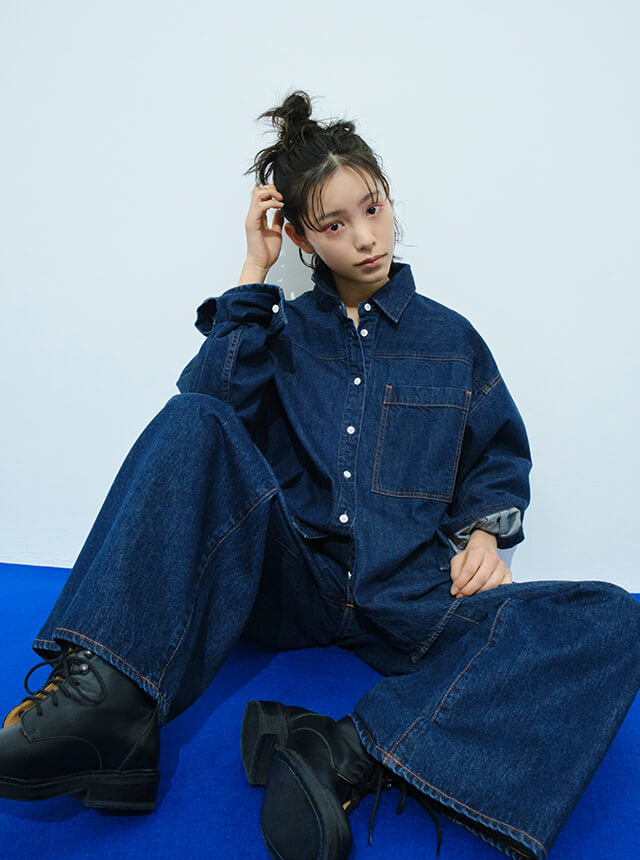
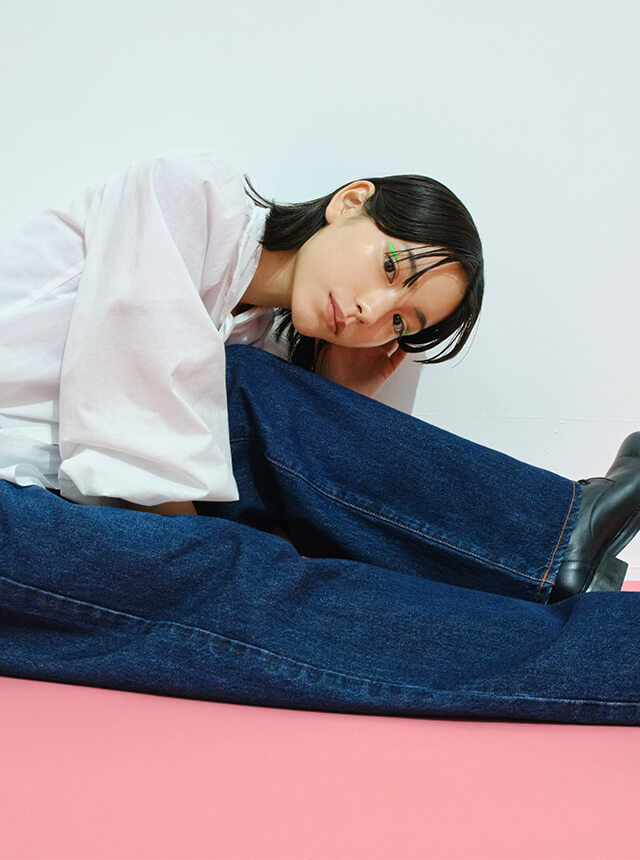
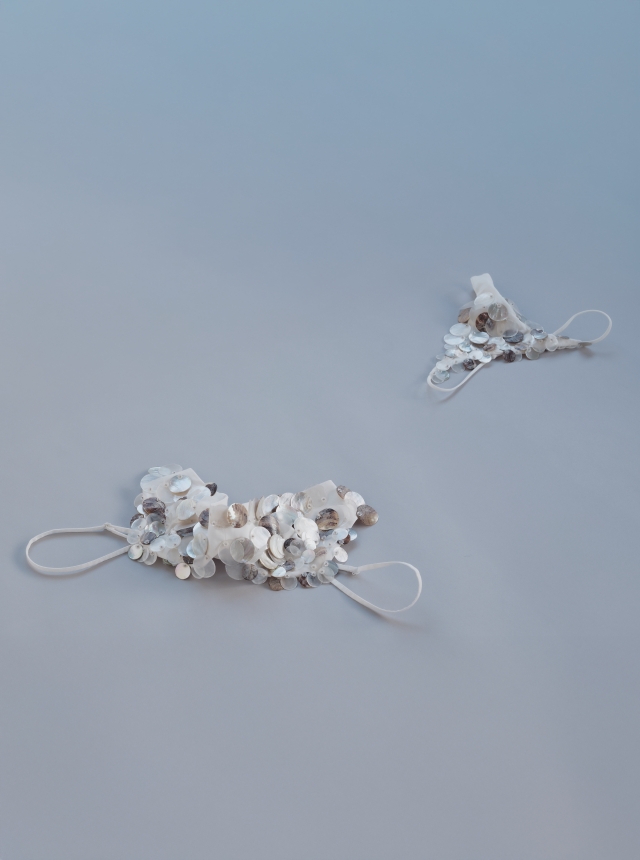
Photography by Kota Ishida
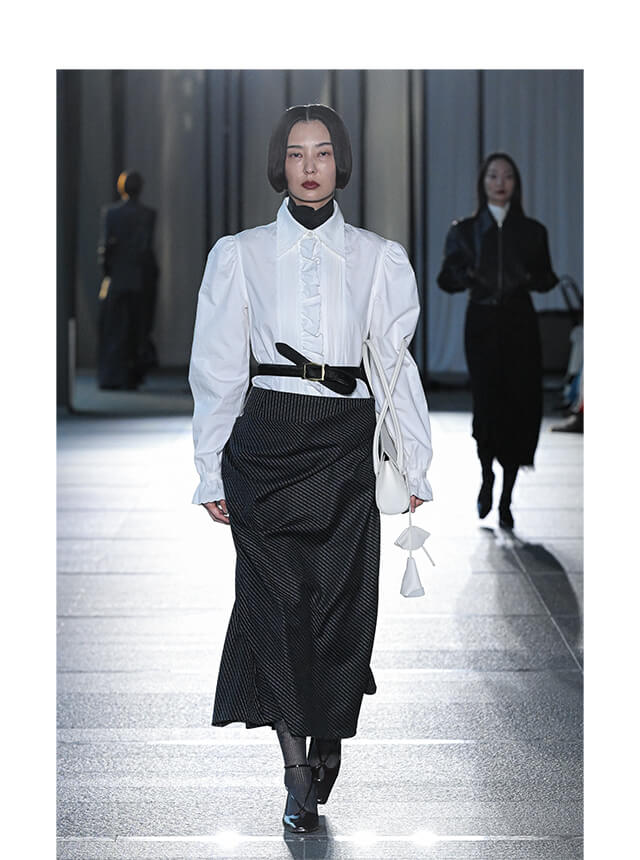
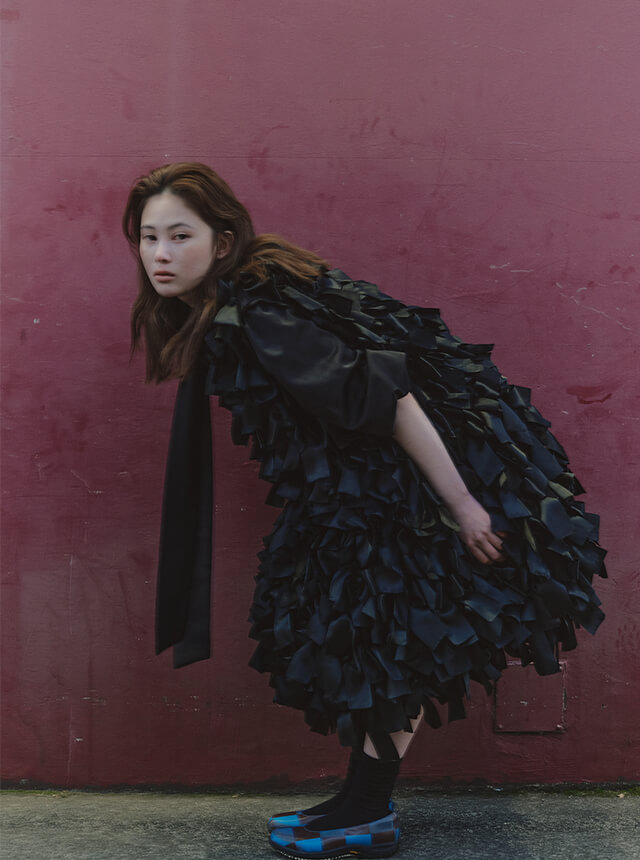
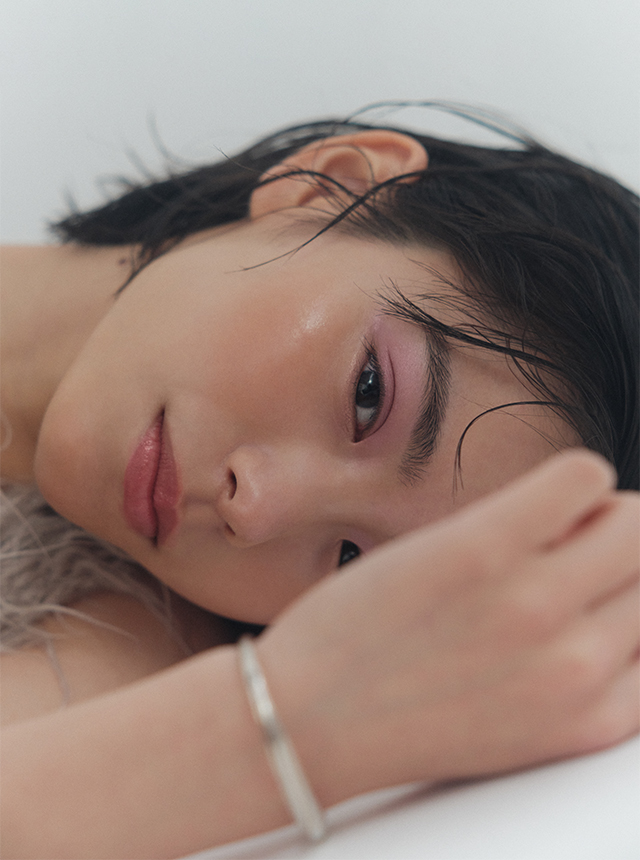
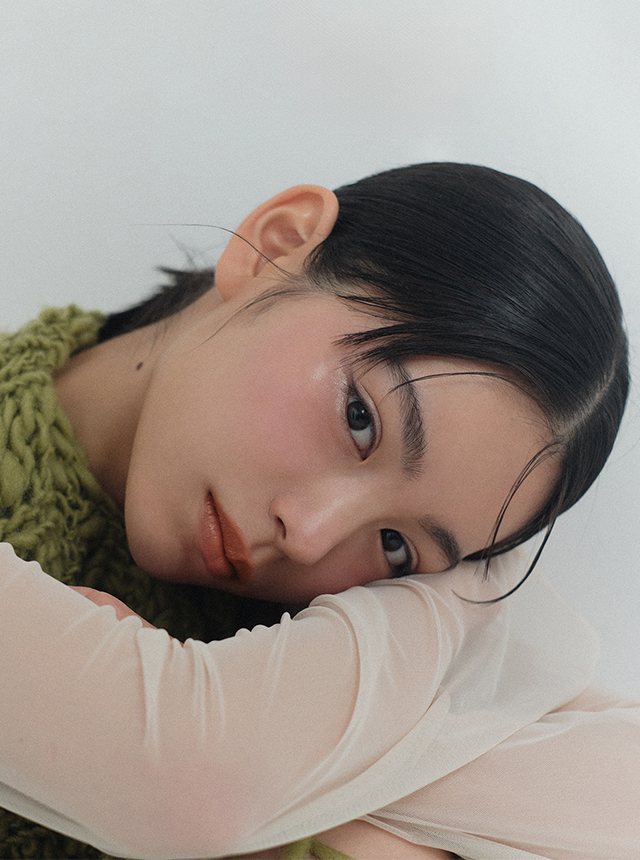
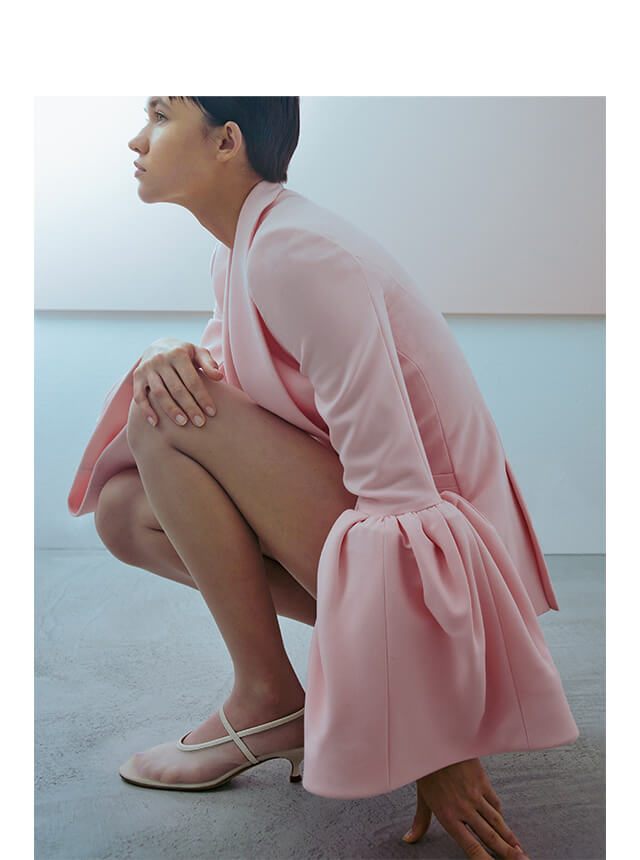
2020年、「RYOTAMURAKAMI」から改名し誕生した、日本を拠点とするファッションブランド「PILLINGS」。
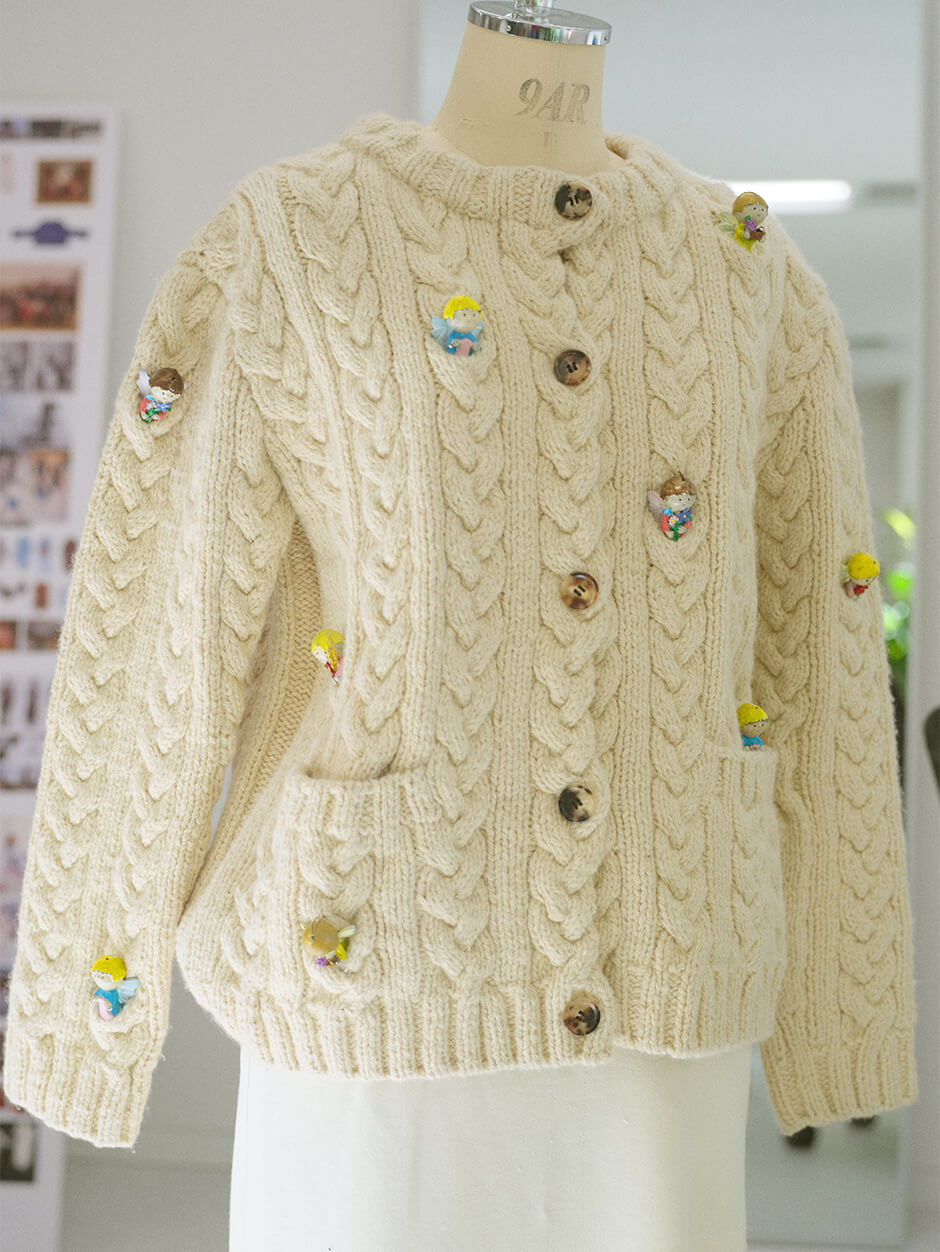
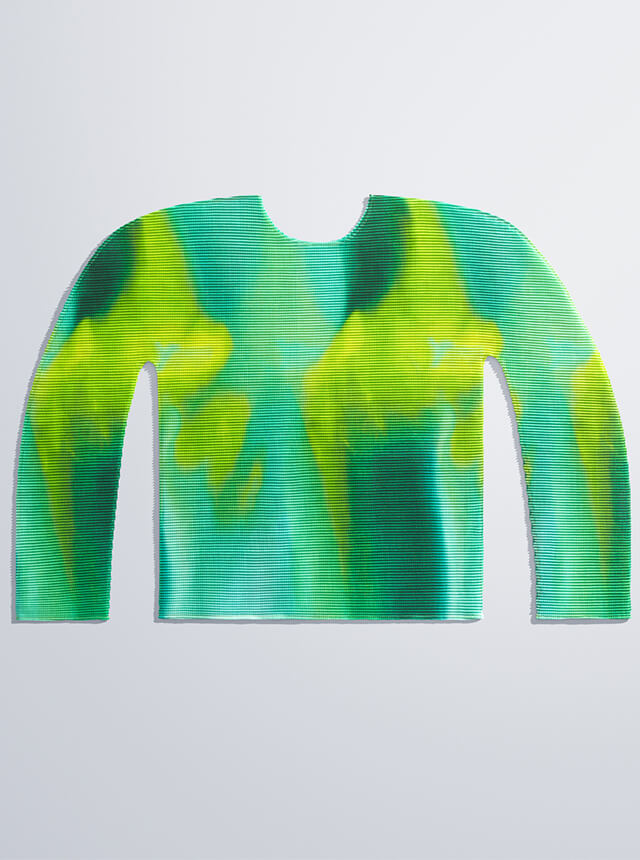
「ものづくりの愛おしさとその背景を、創造性をもって表現すること」をコンセプトに、日本の手編み職人と共にハンドニットを軸としたコレクションを展開している。
今回Lula Japan Webでは、「PILLINGS」のこれまでや今後の展望をインタビュー。
“PILLINGS” is a Japan-based fashion brand relaunched in 2020 following its renaming from “RYOTAMURAKAMI”.
With the concept of expressing an affection for craftsmanship and its background through creativity, the brand develops collections centered on hand-knit pieces in collaboration with Japanese hand-knitting artisans.
Lula Japan Web interviewed “PILLINGS” about its past and future outlook.
>01はこちらから
PILLINGS


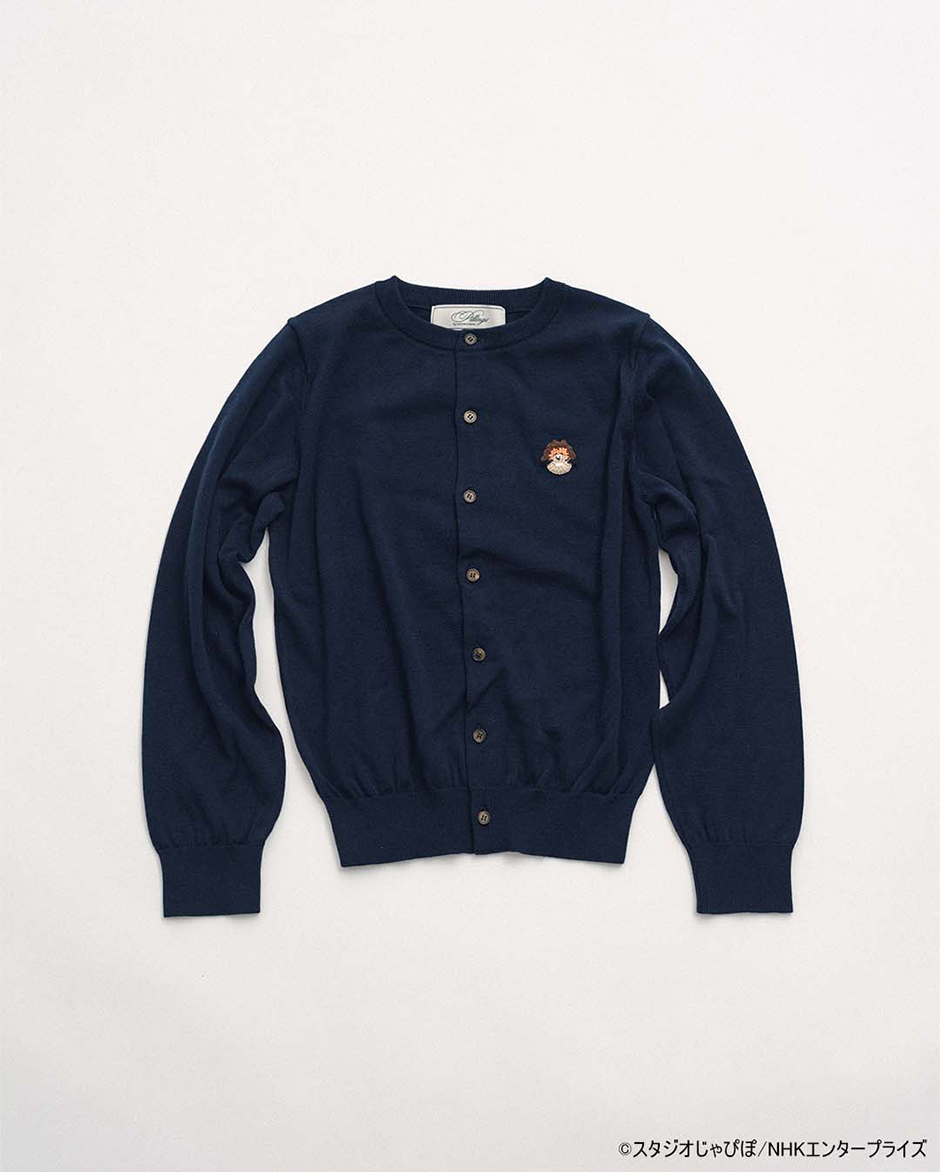
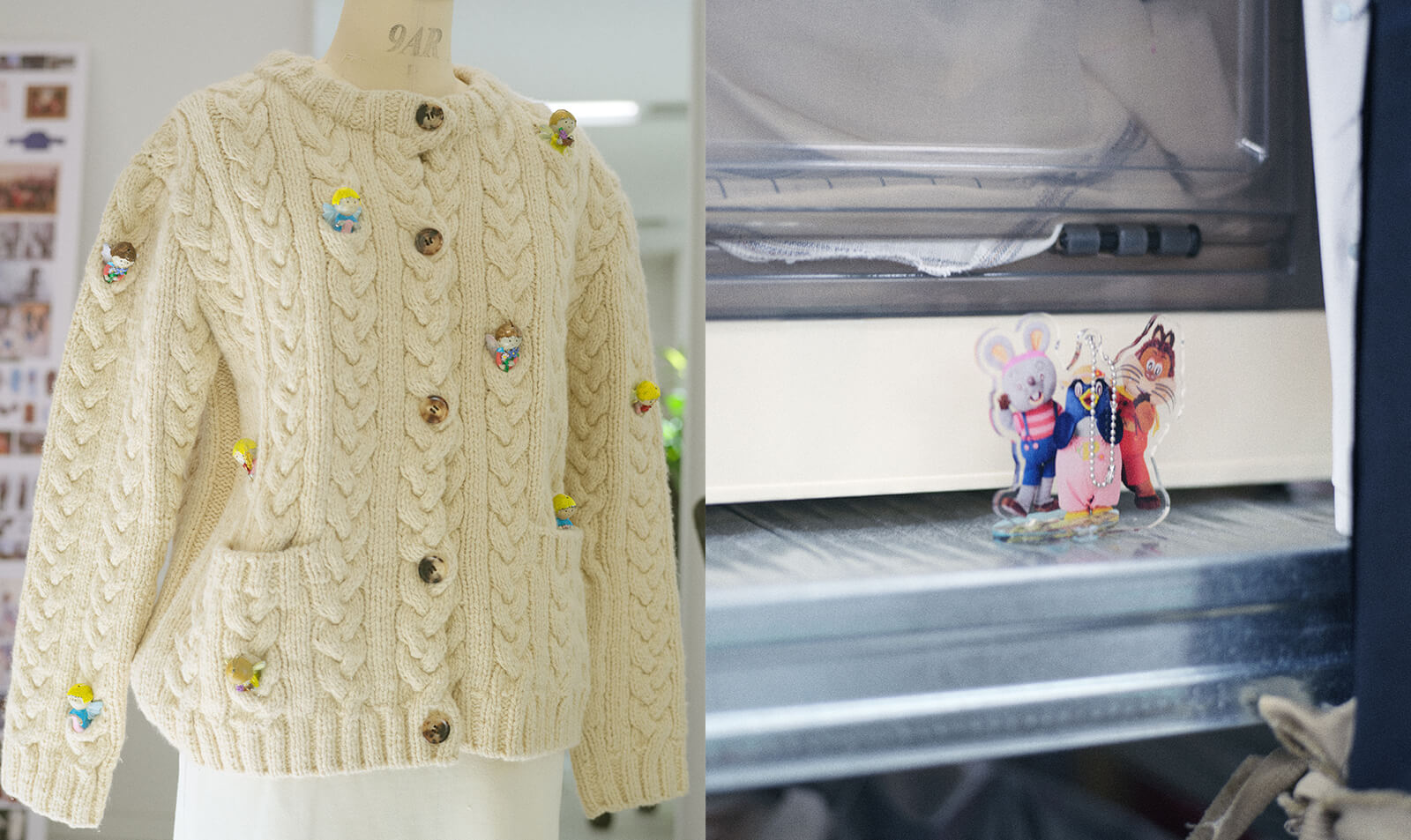
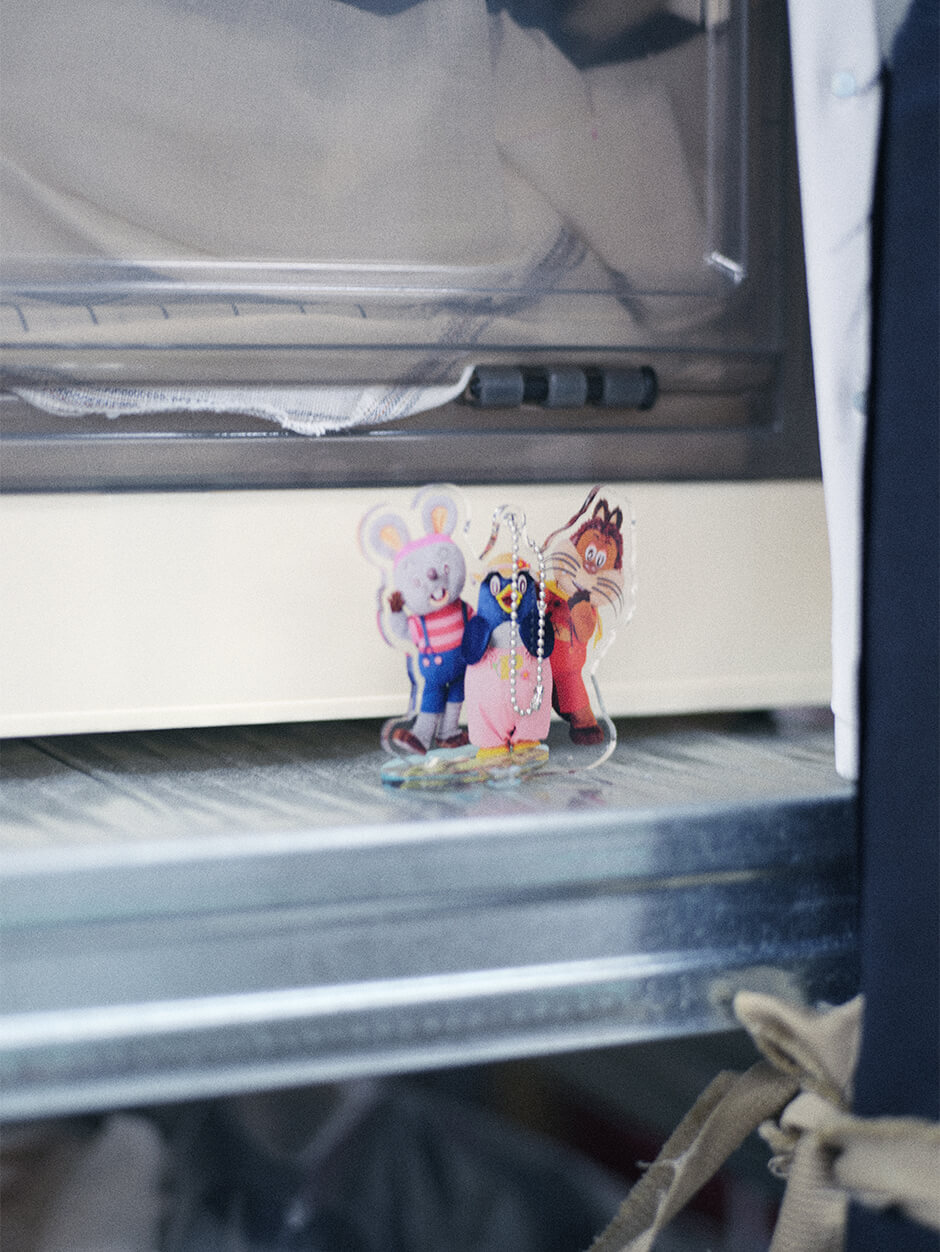
-先日、NHKの「おかあさんといっしょ」で長年親しまれた子ども向け番組「にこにこ、ぷん」とのコラボレーションアイテムが発売されました。コラボレーションのきっかけを教えてください。
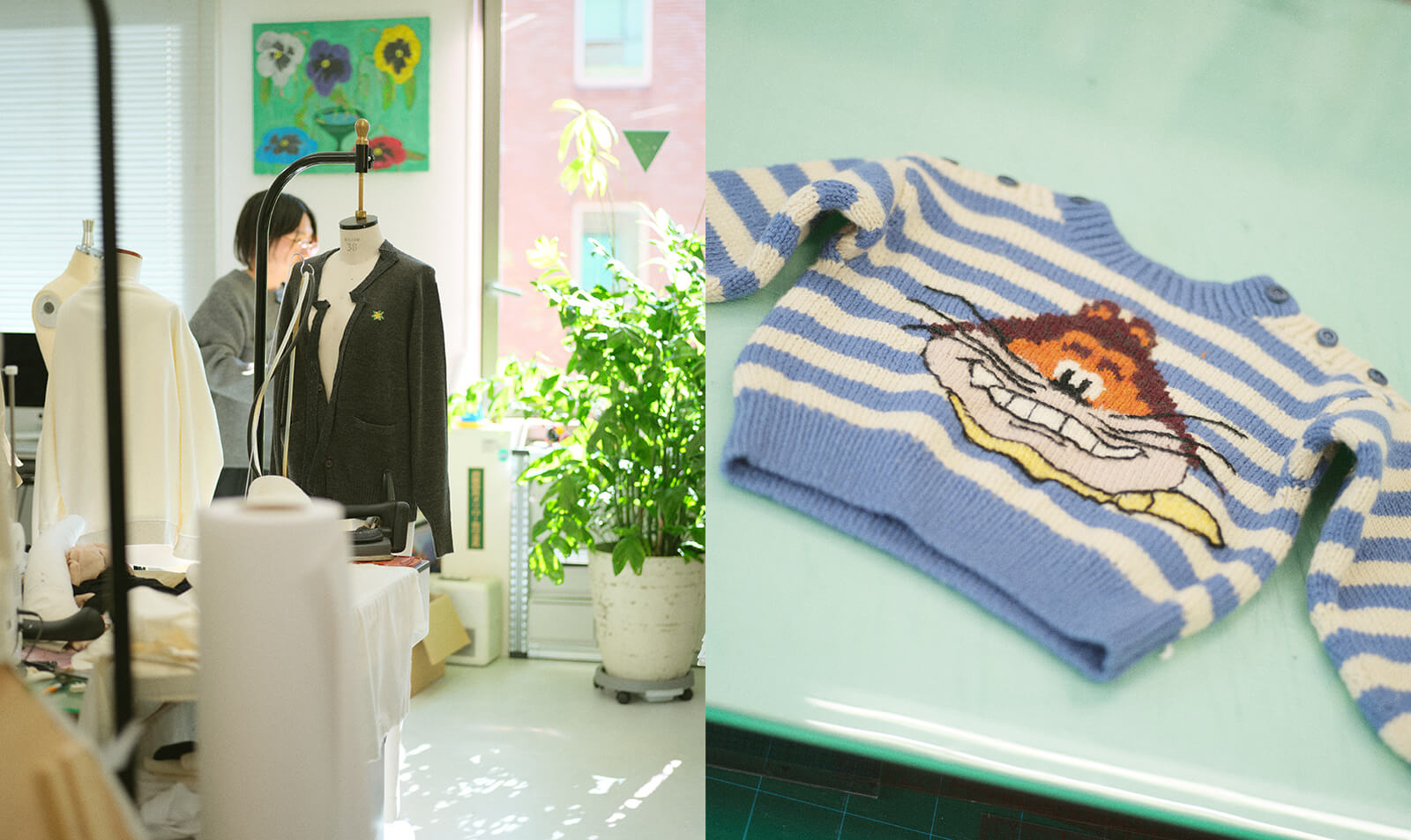
「にこにこ、ぷん」とのコラボレーションは、とても個人的な思い入れから始まっています。
幼少期に母が編んでくれた劇中に登場するキャラクター じゃじゃ丸のニットがあって、当時実際に着ていた形で残っているものはそれしかないんです。
学校に持っていったのもこのニットで、自分にとって原点のような存在でした。
そして今年、ちょうどブランドが10シーズンを迎え、次は何かスペシャルなものを作れないかと考えていて、自然と思い出したんです。
NHKに問い合わせてみたら快く了承してくださって、権利を管理されている会社ともお話しすることができ、オフィシャルな形で実現することになりました。
-Recently, collaboration items featuring the long-running program for children ‘Niko Niko, Pun’, beloved on ‘Okaasan to Issho’ of NHK, went on sale. Could you tell us what led to the collaboration?
The collaboration with ‘Niko Niko, Pun’ began from a very personal emotional attachment.
I have a knit sweater featuring Jajamaru, a character from the program, that my mother knitted for me when I was little. It’s the only piece from my childhood that still exists in the form I actually wore it.
I even took this sweater to school; it was like a foundational piece for me.
Then this year, as the brand reached its 10th season, I was thinking about creating something special next, and it naturally came to mind.
When we inquired with NHK, they kindly agreed, and we was able to speak with the company managing the rights, making it possible to realize this collaboration officially.
-このコラボレーションアイテムを、どんな気持ちで手に取ってもらったら嬉しいですか。
じゃじゃ丸は、僕と同世代や少し上の世代には懐かしい存在ですが、今の若い人たちにとっては知らないキャラクターかもしれません。
だからこそ、「何か分からないけど可愛い」と感じて着てもらえるような広がり方をしたら面白いなと。
自分たちの世代が懐かしさで手に取るのもいいし、全然違う文脈で若い人が着てくれるのも嬉しいですね。
このコラボレーションをきっかけに、思いがけず親子のコミュニケーションが生まれたら面白いなとも思っています。
若い世代は何も知らずに「なんか可愛い」と手に取って、あとから親が気づいて「あ、それ懐かしいね」って会話が始まる、みたいな。
-What kind of feeling would you like people to have when they get this collaboration item?
Jajamaru is a nostalgic figure for my generation and those slightly older, but younger people today might not know him.
So it would be rather interesting if it gained popularity in a way that makes people think, “I don't quite know why, but it's charming”, and wear it.
It’s great if our generation picks it up with nostalgia, or if younger people wore it in a completely different context.
I also think it would be amazing to see this collaboration unexpectedly sparked communication between parents and children.
Like, the younger generation picks it up without knowing anything, thinking, “This piece is kinda lovable”, and then later, their parent notices and says, “Oh, that brings back memories”, and a conversation starts.
-お母様に今回のコラボレーションのことを伝えましたか。
母親にも今回のコラボレーションのことは話していて、「買います」と連絡がありました。
色々なキャラクターがいる中で、母親が編んでくれたじゃじゃ丸が、こうして今のものづくりに繋がっているという点でも、特別だと感じています。
これからも「にこにこ、ぷん」とのコラボレーションは長く続けていけたらいいなと思っています。
-Did you tell your mother about this collaboration?
I told her about it, and she contacted me, saying, “I'll buy it”.
Among all the various characters, Jajamaru, my mother knitted for me, has led to my current craftwork. In this regard, she is special to me.
I hope this collaboration with ‘Niko Niko Pun’ can continue for a long time to come.

-年に1度、編み物教室「AMIt」の作品展が開催されていますが、編み物教室を始めたきっかけを教えてください。
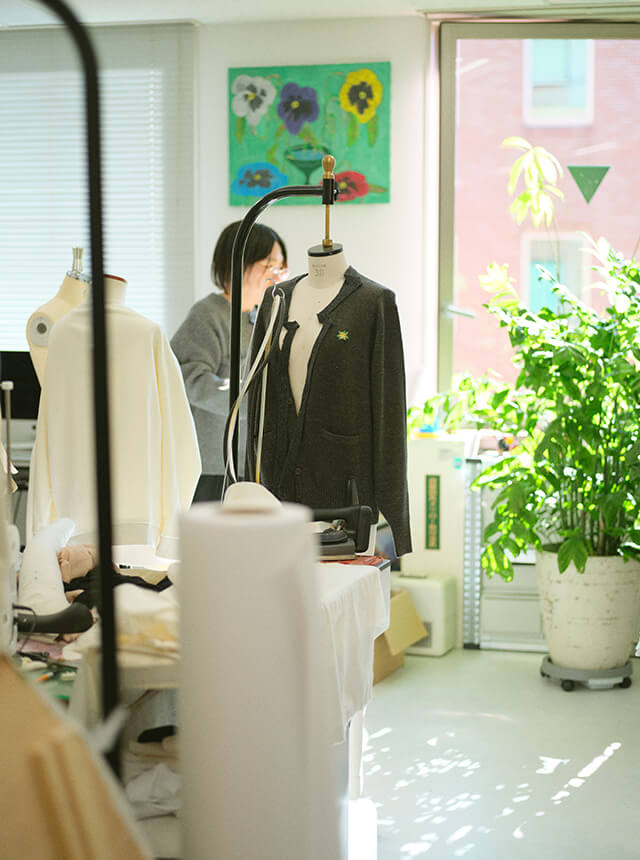
編み物教室を始めた背景には、ブランドとして目指している、想いや技術を内側から育てていく「メゾンのような形」を取りたいという考えがあります。
編み物自体はコロナ禍をきっかけに注目される場面もありましたが、一方で、このままでは技術や担い手が減っていってしまうのではないかという不安もずっとあります。
なくなってしまえば、自分たちもものづくりができなくなってしまいます。
ただ育てるだけではなく、ハンドニットをファッションの中で文化として成立させ、価値を高めていきたい。
そのためには、個人で続けるだけでは限界があって、業界全体が盛り上がっていく必要があると感じています。
ニット作家やニットデザイナーを目指す人が増えることは、ライバルが増えることでもありますが、それ以上に全体のレベルが上がっていくことの方が大切だと思っています。
実際に、「AMIt」を通じて編み物を学び、「PILLINGS」の制作に関わってくれている人もいます。
編み物を仕事にして、きちんと生計を立てていける人を増やしたい。
その環境を作ることも、教室を続けている大きな理由の1つです。
-Once a year, your knitting class ‘AMIt’ holds an exhibition. Could you tell us what prompted you to start the knitting class?
The reason I started knitting classes stems from our desire to cultivate the vision and techniques from within, aiming for a ‘maison-like structure’.
While knitting itself gained attention during the pandemic, I’ve always had a fear that the skills and successors might dwindle if things continue like this.
If they disappear, we will also lose our ability to create.
We don’t just want to nurture the next generation; we want to establish hand-knitting as a cultural element within fashion and elevate its value.
To achieve this aspiration, relying solely on individual efforts has its limits; we feel the entire industry needs to thrive.
Although an increase in people striving to be knitwear artists and designers means more competition, we believe raising the overall level is more important.
In fact, some people have learned knitting through ‘AMIt’ and are now involved in creating “PILLINGS.”
I am to increase the number of people who can make knitting their job and earn a proper living from it.
Creating that environment is also one of the major reasons I continue running the class.
-受講生の作品を見て、「これは完全に予想外だった」と感じた表現はありましたか?
予想外、というものはかなりありました。
受講生それぞれが編み物との向き合い方も目標も本当にバラバラで、純粋に趣味として楽しみたい人もいれば、ブランドを立ち上げたい人、ファッションとして本気で勝負したい人もいる。
カオスな環境だと思います。
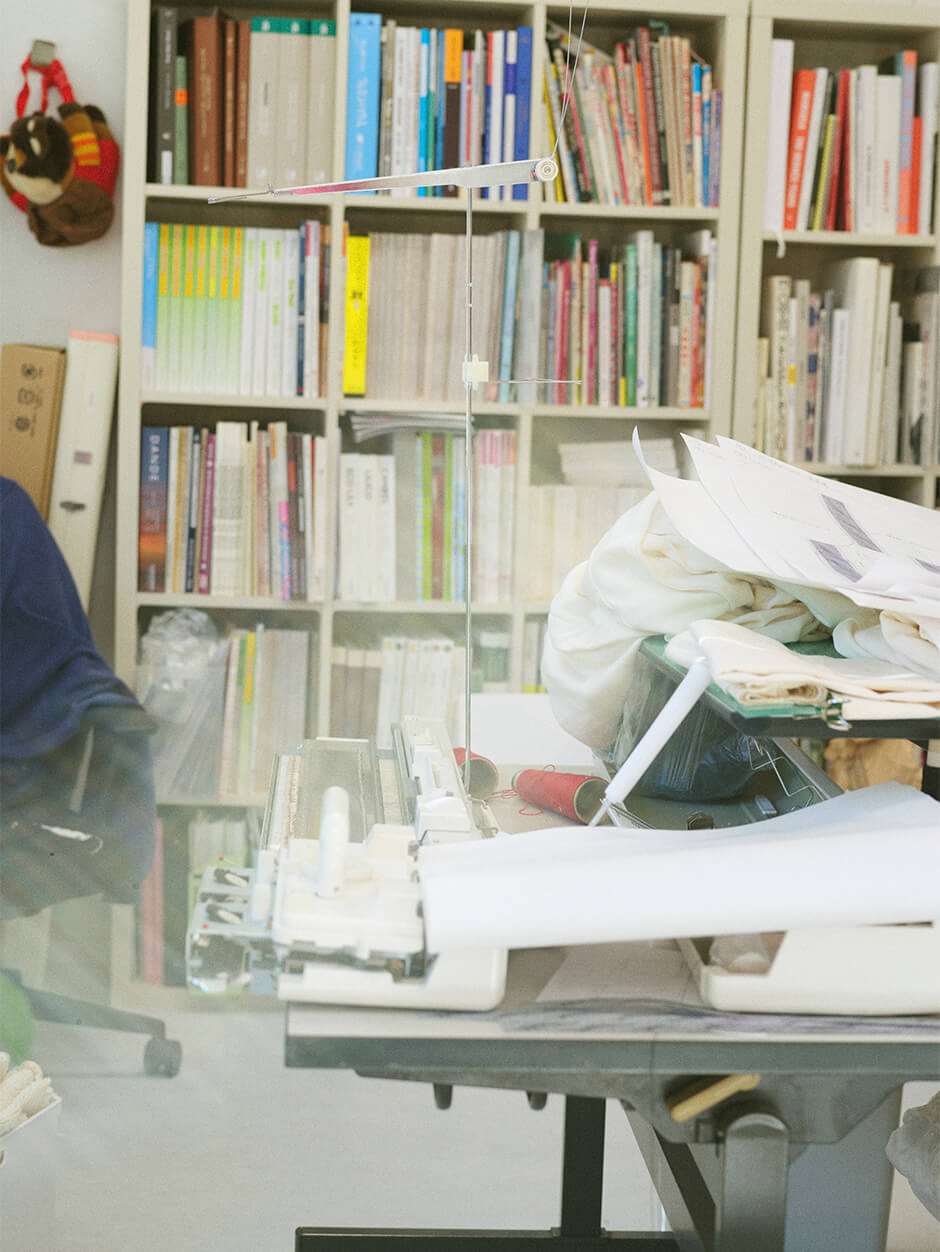
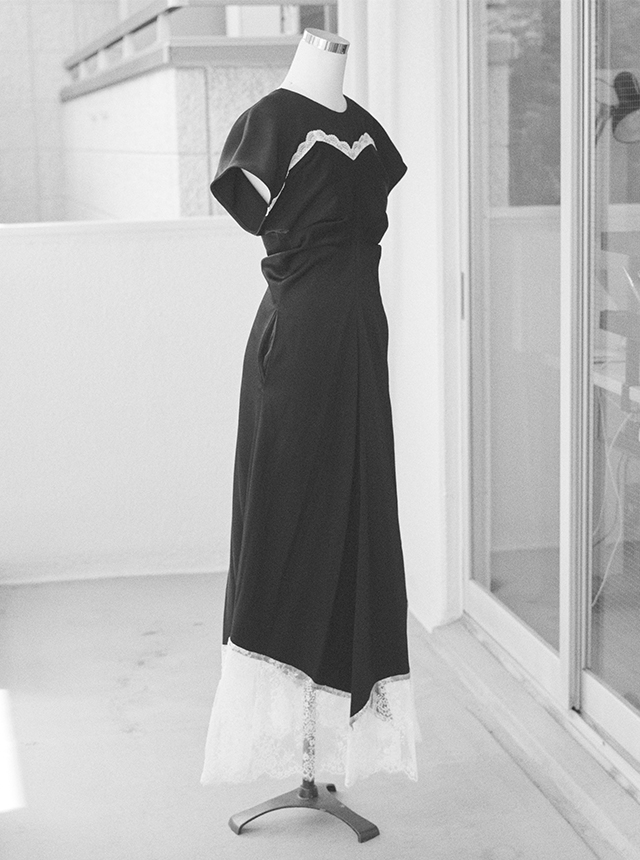
例えば、家庭用の横編み機を使って、ヴィンテージデニムをニットで再現しようとする人がいたり、短期間でフルコレクションを作る人がいたり。
ニットに限らず、陶器を焼いて作品に落とし込む人もいて、「それもありなんだ」と驚かされることが多いですね。
中には、すでにそのまま世に出しても通用するレベルの表現をしている人もいます。
結果的に、「編み物だからこうあるべき」という枠を超えて、面白ければ成立してしまうところがある。
それが「AMIt」の作品展の一番予想外で、同時に一番面白い部分だと思っています。
最初の頃は、少しマイナーで何をやっているのか分かりにくい部分もあったと思いますが、最近は多くの方に足を運んでいただけるようになりました。
反応も少しずつ広がってきているので、これからも継続して開催していきたいと考えています。
-Were there any expressions in the students’ work that made you think, “This was completely unexpected”?
There were quite a few unexpected things.
Approach to knitting and their goals truly depend on each student. Whereas some just wanted to enjoy it purely as a hobby, others aimed to launch a brand or seriously compete in the fashion industry.
It’s a chaotic environment.
For example, someone might use a home flat knitting machine to recreate vintage denim in knit form, while another might create a full collection in a short time.
It’s not limited to knitting either; some incorporate pottery into their work, and I’m often surprised, thinking, “Oh, that functions too”.
Some already produce work at a level ready for the market.
Ultimately, it transcends the notion of “knitting should be like this”, and if it’s interesting, it works.
I think that's the most unexpected and simultaneously the most fascinating part of the ‘AMIt’ exhibition.

-最後にブランドとしての今後の展望を教えてください。
次のシーズンから本格的に海外での展示会が始まります。
これまでも取り扱い自体はありましたが、現地でしっかりとブランドを見せる場はまだ多くなかったので、展示会というかたちできちんと広げていけるのは楽しみですし、今最も力を入れているポイントでもあります。
その先の展望としては、まずハンドニットといえば「PILLINGS」と認識してもらえる存在になることが目標です。
文化的な価値を語る以前に、純粋にクリエイションとして面白いニットブランドだと知ってもらうことが大事だと思っています。
海外では、テーラリングやカッティングといった技術は、クラフトとして共通言語的に高く評価されている一方で、ハンドニットはどこか懐かしいもの、ほっこりするものとして見られがちだと感じることもありました。
そうした見え方を変えていきたいという思いは強くあります。
ハンドニットを、ファッションの中で本当に価値ある技術として提示していくこと。
それが、今後のブランドとして目指している方向です。
-Finally, please tell us about the brand’s future outlook.
From next season, we’ll be launching full-scale overseas exhibitions.
We’ve had some presence abroad before, but we haven’t had many opportunities to properly showcase the brand there. We’re excited to expand the scale through exhibitions, and this is our top priority right now.

Looking further ahead, our goal is for “PILLINGS” to become a brand that people instantly associate with hand-knitwear.
Before explaining its cultural value, we believe it is vital for people to recognize us purely as an interesting knitwear brand driven by creation.
Overseas, techniques like tailoring and cutting are universally valued as craftsmanship; however, I’ve sometimes felt hand-knit items tend to be seen as nostalgic or cozy.
We are strongly comitted to change that perception.
It is the direction we aim for as a brand moving forward to present hand-knit as a truly valuable technique within fashion.
PILLINGS
pillings.jp
PILLINGS:
デザイナー 村上亮太によって設立された「RYOTAMURAKAMI」より、2020年に「PILLINGS」に改名し新たな活動を開始したファッションブランド。
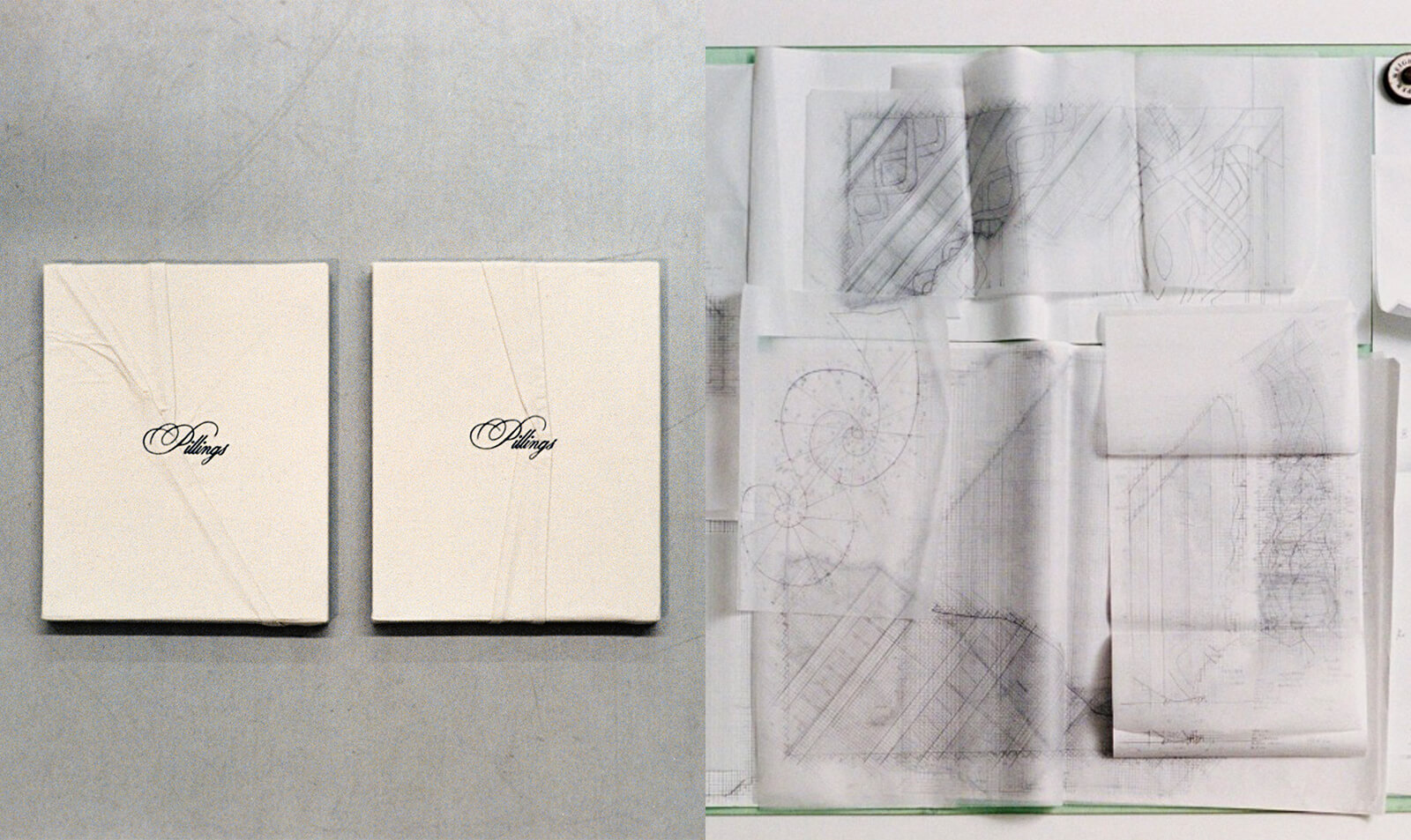
摩擦によって生まれる毛玉ように、職人との絶え間ない対話や実験的な試行錯誤を重ねることで形を育み、毎シーズンのデザインを紡ぎ出している。
www.instagram.com/pillings_/
A fashion brand that began new activities under the name “PILLINGS” in 2020, following its founding as “RYOTAMURAKAMI” by designer Ryota Murakami.
Through continuous dialogue with artisans and repeated experimental trial and error, the brand develops forms in a way similar to pills formed through friction, and weaves its designs each season.
SHARE
RELATED ARTICLES
LATEST TOPICS
PICK UP
-
- Art&Culture
- 25.Dec.2025
-
- Fashion
- Art&Culture
- Beauty
- Encounter
- 26.Nov.2025
-
- Fashion
- 11.Dec.2025
-
- Encounter
- 18.Dec.2025
-
- Fashion
- 10.Dec.2025
-
- Fashion
- Art&Culture
- 22.Dec.2025
-
- Beauty
- 10.Dec.2025
-
- Encounter
- 02.Dec.2025
-
- Fashion
- 13.Nov.2025
-
- Fashion
- 03.Dec.2025
-
- Fashion
- Art&Culture
- Beauty
- Encounter
- 01.Oct.2025
-
- Fashion
- Art&Culture
- 04.Nov.2025
-
- Fashion
- 14.Oct.2025
-
- Fashion
- 31.Oct.2025
-
- Encounter
- 11.Sep.2025
-
- Fashion
- 08.Sep.2025
-
- Encounter
- 30.Sep.2025
-
- Art&Culture
- 01.Aug.2025
-
- Fashion
- Art&Culture
- 13.Jun.2025
-
- Fashion
- Art&Culture
- Beauty
- Encounter
- 09.Jun.2025
-
- Fashion
- Art&Culture
- 13.Jun.2025
-
- Fashion
- Art&Culture
- 04.Jun.2025
-
- Fashion
- Art&Culture
- Beauty
- Encounter
- 22.Apr.2025
-
- Fashion
- 15.May.2025